
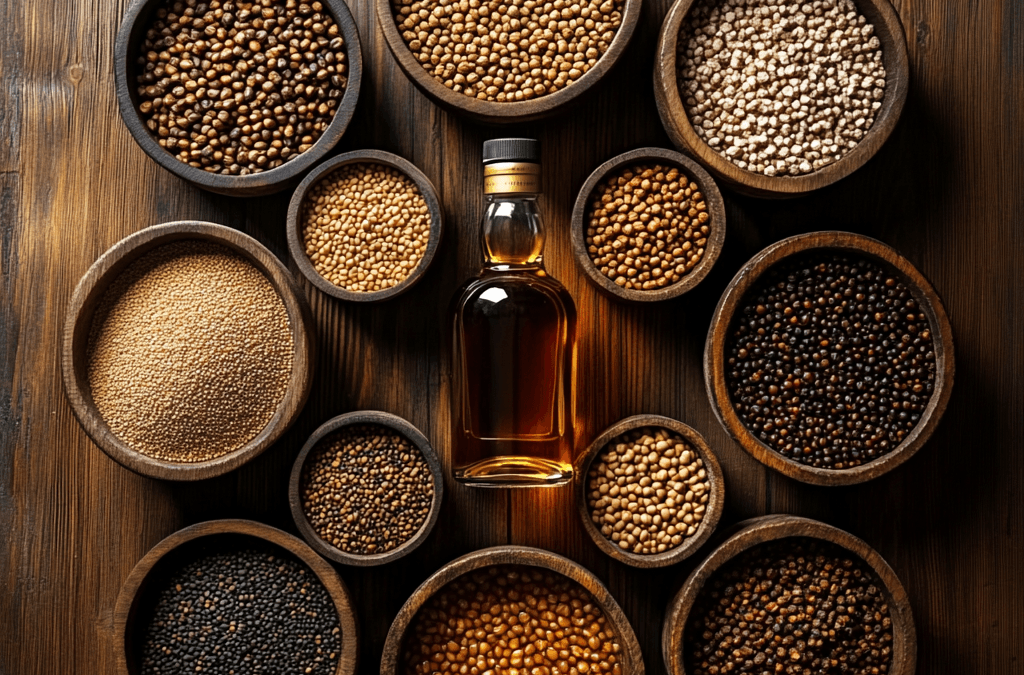
Grain selection in whiskey production is one of the most critical factors influencing the final spirit’s flavor, mouthfeel, and aging potential. Whether producing bourbon, rye, or single malt whiskey, choosing the right grains can set a whiskey apart and create a signature profile. For craft distillers, understanding the role of different grains is essential to refining their whiskey recipes and achieving consistency in every batch.
Why Grain Selection in Whiskey Production Matters
The grains used in whiskey production serve as the foundation for the spirit’s character. During fermentation, yeast breaks down the grain’s starches into fermentable sugars, which later contribute to the whiskey’s overall taste and texture. Each type of grain imparts its own unique attributes to the final product.
Common Grains Used in Whiskey Production
Craft distillers have many options when it comes to selecting grains for whiskey production. The most commonly used grains include:
- Corn – A key ingredient in bourbon, corn provides sweetness and a full-bodied texture. By law, bourbon must contain at least 51% corn, contributing caramel and vanilla notes when aged.
- Rye – Known for its spicy, peppery character, rye adds complexity and boldness to whiskey. It is a staple in classic American rye whiskey and certain high-rye bourbons.
- Barley – Used in single malt whiskey and as a supporting grain in other styles, malted barley adds nutty, toasty, and sometimes chocolatey flavors. It also contains natural enzymes that aid in starch conversion during mashing.
- Wheat – A softer, milder grain that enhances smoothness and sweetness, wheat is commonly found in wheated bourbons, contributing gentle honey and bread-like notes.
How Grain Selection Affects Fermentation
The choice of grains impacts the efficiency and outcome of the fermentation process. Each grain has a different level of fermentable sugars and enzymatic activity, influencing how yeast converts starches into alcohol. For instance:
- Corn has high starch content but requires additional enzymes to aid in conversion.
- Rye ferments quickly but can create a more vigorous fermentation process with higher ester production.
- Barley provides essential enzymes that help break down starches, making it an important component in mash bills.
- Wheat ferments smoothly, often leading to a softer, more rounded spirit.
The Role of Grain Selection in Aging Potential
Beyond fermentation, grain selection plays a significant role in how whiskey interacts with barrels during aging. High-rye and high-corn whiskeys may extract oak characteristics differently than wheat-heavy mash bills. The chemical compounds in different grains influence how flavors develop over time in a barrel, affecting the final whiskey’s depth and complexity.
Experimenting with Alternative Grains
As craft distilling evolves, many distillers are experimenting with alternative grains to create unique whiskey expressions. Some lesser-known grains used in whiskey production include:
- Sorghum – Adds earthy and slightly tart notes.
- Oats – Contributes a creamy texture and mild sweetness.
- Quinoa – Provides nutty and slightly bitter flavors.
These alternative grains allow craft distillers to push the boundaries of traditional whiskey styles and develop new flavor profiles.
Conclusion
Grain selection in whiskey production is a fundamental element of crafting high-quality spirits. From corn’s sweetness to rye’s spice and barley’s malty complexity, each grain plays a crucial role in determining a whiskey’s final character. By carefully selecting and balancing grains, craft distillers can create unique, flavorful whiskeys that stand out in a crowded market. For further industry insights and resources, visit New Riff Distilling. If you’re interested in testing your current knowledge of whiskey, consider signing up for the whiskey exam as part of our Spirits Ambassador program.
