
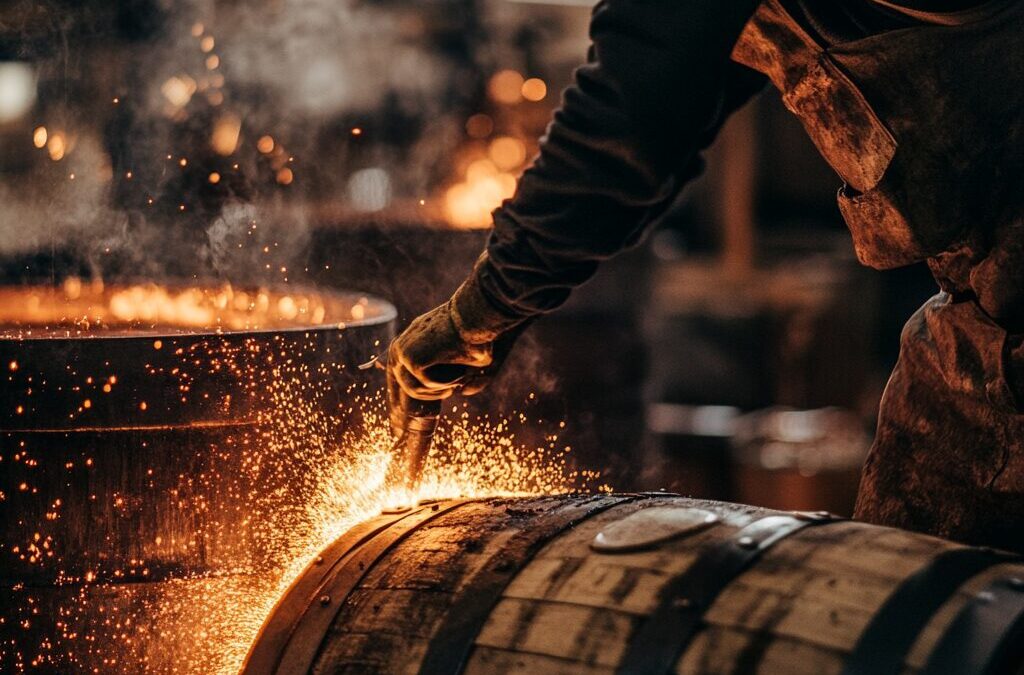
Barrel aging is one of the most influential factors in whiskey production, impacting everything from flavor to mouthfeel. The choice of oak can make or break the final spirit, making barrel selection a crucial decision for craft distillers. Oak’s unique characteristics make it the preferred wood for whiskey production, as it offers an unparalleled balance of flavor, structure, and aging properties. The density and porosity of oak allow for slow oxygenation, which helps refine the whiskey’s taste over time. Additionally, oak’s chemical composition—including high levels of lignin, hemicellulose, and tannins—imparts a range of complex flavors that other woods simply cannot replicate. Unlike softer woods, oak is durable and resilient, ensuring that barrels can be used for years while consistently producing high-quality spirits. These traits have solidified oak’s role as an essential element in crafting exceptional whiskey. In this guide, we’ll explore the different types of oak, including American, European, Japanese, Hungarian, and French varieties. We’ll also examine the effects of various charring levels and share best practices for selecting the perfect barrel to enhance your whiskey’s character.
1. The Role of Oak in Whiskey Aging
Oak barrels serve multiple functions beyond simply holding whiskey. They allow for oxygen interaction, as small amounts of air enter the barrel through the wood’s pores, aiding in the oxidation and polymerization of the whiskey’s compounds. This slow, controlled oxygen exposure smooths harsh flavors, integrates the spirit’s components, and develops its complexity over time. Meanwhile, the wood’s chemical composition plays a significant role in flavor development. Lignin, when broken down, releases vanillin, contributing a rich, creamy vanilla note. Hemicellulose caramelizes during toasting or charring, imparting sweet caramel and butterscotch flavors. Tannins extracted from the wood provide structure and a subtle astringency, balancing the spirit’s sweetness and adding depth. These interwoven processes result in a whiskey that is not only refined in taste but also enhanced in texture and aroma. The chemical compounds in oak, such as lignin, hemicellulose, and tannins, play a pivotal role in the aging process. Lignin contributes to vanilla and floral aromas, hemicellulose provides caramelized sugar notes, and tannins add structure and complexity. Together, these elements create the layered flavors and smooth mouthfeel that define well-aged whiskey.
2. Types of Oak Used in Whiskey Production
American Oak (Quercus alba)
- The most commonly used oak in whiskey production, especially in bourbon.
- Imparts strong vanilla, coconut, and caramel notes due to its high levels of lactones.
- Has a relatively fast aging process, making it ideal for distillers looking for quicker maturation.
- The dense grain structure reduces leakage and enhances consistency.
European Oak (Quercus robur)
- Typically used in Scotch whisky and some premium bourbons.
- Adds deep, tannic complexity with dried fruit, nutty, and spice notes.
- Slower aging process compared to American oak, requiring more patience but yielding refined results.
- Often sourced from regions like Spain, where it may have previously held sherry, contributing additional richness.
Japanese Mizunara Oak (Quercus mongolica)
- Known for unique sandalwood, incense, and coconut characteristics.
- Used primarily in high-end Japanese whisky.
- More porous than other oaks, which increases evaporation and requires careful aging techniques.
- Difficult to work with due to its twisting grain, making it a rare and prized option.
Hungarian Oak (Quercus petraea)
- Renowned for its fine grain and subtle flavor contributions.
- Imparts delicate spice, toasted almond, and soft vanilla notes.
- Often considered a middle ground between the robust flavors of American oak and the tannic complexity of European oak.
- The slow growth rate of Hungarian oak trees results in a tight grain structure that minimizes harshness and allows for a smooth, balanced aging process.
French Oak (Quercus sessiliflora and Quercus robur)
- Widely used in the production of Cognac, Armagnac, and fine wine, French oak has found a niche in premium whiskey aging.
- Offers a refined profile with toasted bread, soft spice, and floral hints.
- Higher tannin content compared to American oak, adding a layer of structure and depth to the whiskey.
- Contributes nuanced aromas of roasted nuts and sweet spices, often resulting in a more elegant and complex spirit.
3. Understanding Char and Toast Levels
The interior of whiskey barrels is charred or toasted to varying degrees, which profoundly affects flavor development. During the charring process, the wood is exposed to direct flame, causing the surface layer to burn and break down into a range of chemical compounds. This process caramelizes the hemicellulose within the oak, which contributes to sweet caramel and butterscotch notes. Charring also activates lignin, releasing vanillin that provides smooth, creamy vanilla undertones. Meanwhile, the charring process removes harsh tannins and opens up the wood grain, allowing for deeper spirit penetration. As a result, the whiskey can extract a more complex array of flavors and aromas, ultimately shaping the profile of the finished product.
- Light Char: Retains more of the natural oak character, contributing subtle vanilla and spice flavors.
- Medium Char: A balance of caramelization and oak influence, providing complexity.
- Heavy Char (Alligator Char): Creates deep caramel, toffee, and smoky notes, ideal for bold whiskey styles.
Char and toast levels influence how the wood’s sugars and lignins break down, resulting in different flavor compounds. A heavier char can bring out pronounced caramel and smoky notes, while a lighter toast highlights floral and fruity characteristics.
4. Choosing the Right Barrel for Your Whiskey
When selecting barrels, consider the following factors:
- Desired Flavor Profile: Match the oak type and char level to the intended whiskey style. For example, American oak with a heavy char might suit a bold bourbon, while French oak with a light toast could complement a delicate single malt.
- Age Statement Goals: Faster aging barrels (like American oak) work for younger whiskeys, while European or Hungarian oak suits extended maturation.
- Budget Constraints: Premium barrels can be expensive, so balancing cost with expected quality is essential. Hungarian and French oak are often more expensive but can deliver unique and sought-after flavor profiles.
- Previous Use: First-fill barrels impart the strongest flavors, while refill barrels allow for more subtle maturation. Deciding between these options can help achieve the desired balance of intensity and refinement.
Final Thoughts
Mastering barrel selection is a critical step in crafting high-quality whiskey. By understanding the nuances of different oak types—from American and European to the more niche Hungarian and French varieties—as well as char levels and aging dynamics, distillers can fine-tune their process to achieve the perfect balance of flavor, aroma, and mouthfeel. You can learn all about this topic and more while studying for the Whiskey Spirit Ambassador Certification. Whether you’re a seasoned craft distiller or just starting out, choosing the right barrel is an art that can elevate your whiskey to new heights.
